Wedding florist Isleworth Spring Grove venue success story
Posted on 04/10/2026
If you are planning a wedding in Isleworth and have Spring Grove in mind as your venue area, you already know the flowers have to do more than look pretty. They need to hold the room together, suit the lighting, survive the timing, and still feel like you. That is the heart of a Wedding florist Isleworth Spring Grove venue success story: not just beautiful blooms, but a wedding floral plan that works smoothly from first chat to final confetti moment.
In practice, this kind of success story is about thoughtful design, local know-how, and the small details that make a day feel calm rather than chaotic. It is the difference between "nice flowers" and flowers that genuinely elevate the venue. Below, we will break down how that happens, what to expect, and how to avoid the common mistakes that trip couples up. A bit of planning goes a long way. Honestly, more than a bit.
Table of Contents
- Why a Wedding florist Isleworth Spring Grove venue success story matters
- How the process works
- Key benefits and practical advantages
- Who this is for and when it makes sense
- Step-by-step guidance
- Expert tips for better results
- Common mistakes to avoid
- Tools, resources and recommendations
- Law, compliance, standards and best practice
- Options, methods and comparison table
- Case study or real-world example
- Practical checklist
- Conclusion
- Frequently asked questions
Why Wedding florist Isleworth Spring Grove venue success story Matters
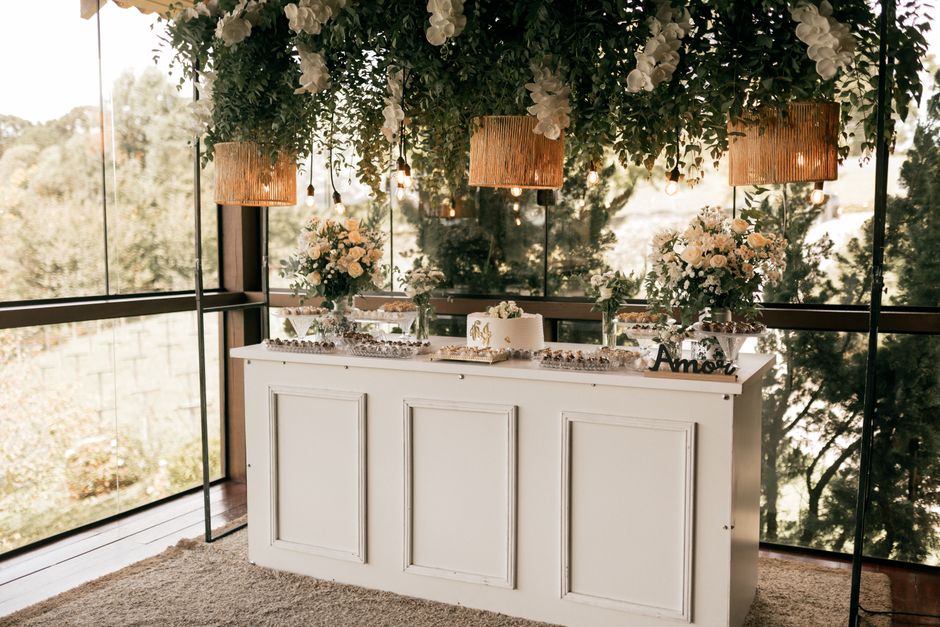
Wedding flowers are not just decoration. They shape the mood of the ceremony, the photos, the movement of guests, and even how finished the venue feels when people walk in. A strong floral plan can quietly solve problems before anyone notices them. That matters in Spring Grove because venue spaces, even elegant ones, often have a specific look and flow that flowers need to respect rather than fight.
Couples often start by thinking in colour. That is fair enough. But the better question is: what will the flowers be doing all day? They may frame an aisle in the morning, sit through a warm reception, appear in close-up portraits by the late afternoon, and still have to look fresh beside dinner tables at dusk. That is where local experience counts.
In Isleworth, the best results usually come from florists who understand three things: seasonal availability, venue logistics, and the style balance between the couple and the space. If you have ever seen a room where the flowers looked technically beautiful but somehow out of place, you will know exactly why this matters.
Expert summary: a successful wedding florist project is not just about choosing flowers you love. It is about matching design, timing, venue layout, and practical handling so the whole day feels effortless.
For couples exploring broader flower options beyond the wedding itself, the same attention to service and timing often applies across the site, from a trusted local florist in Isleworth to curated wedding flower collections that help you compare styles without starting from scratch.
How Wedding florist Isleworth Spring Grove venue success story Works
The process is usually simpler than people expect, but only if it is done properly. A good wedding florist starts by understanding the venue, the ceremony structure, the guest count, and the visual style. Then the floral design is built around those facts instead of around guesswork. Sounds obvious, but you would be surprised how often that gets skipped.
Here is the basic rhythm:
- Initial enquiry and vision setting - You share the date, venue, colours, and the feeling you want. Romantic? Modern? Classic? Lush and garden-like? That first conversation matters more than people think.
- Venue and logistics review - Spring Grove-style venues may need practical decisions on delivery access, setup timing, load-in routes, and where arrangements will sit during service and reception.
- Design proposal - The florist translates your ideas into bouquets, buttonholes, ceremony flowers, table arrangements, and any statement pieces.
- Flower selection - Seasonal availability, stem length, vase choice, colour harmony, and vase stability all come into play. Not glamorous, but crucial.
- Delivery and installation - The team coordinates arrival times, protects blooms from heat or cold, and places everything according to plan.
- Final adjustments - The best florists expect small venue realities: a table that moves, a backdrop that needs a tweak, or a bouquet that wants a final refresh before photos.
The success story part comes from this process feeling smooth rather than stressful. Good floristry is often invisible in the best way. Guests should notice beauty, not the behind-the-scenes scrambling.
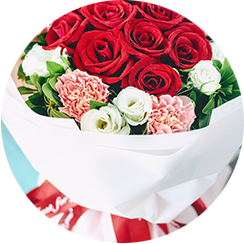
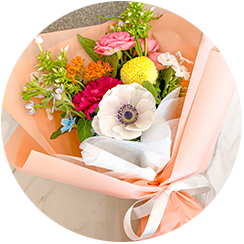
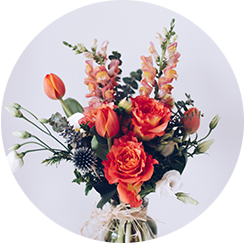
If you are comparing product styles, it helps to look at specific pieces such as bridal bouquets, bridesmaid bouquets, and buttonholes so you can see how the components work as a set rather than in isolation.
Key Benefits and Practical Advantages
There are plenty of reasons couples choose a specialist approach for wedding flowers, but the real benefits are practical as much as visual.
- Better venue fit - Flowers can be scaled to suit the room instead of overwhelming it.
- More coherent styling - The bouquet, centrepieces, and ceremony pieces feel like they belong together.
- Less stress on the day - A clear delivery and setup plan reduces last-minute panic.
- Improved photography - Thoughtful floral shapes and colours help photos look polished without stealing attention from the couple.
- Seasonal realism - You get a design that works with the time of year, which usually means better freshness and fewer supply surprises.
- Budget control - It is easier to prioritise where to spend more, and where a simpler treatment will still look lovely.
There is also an emotional benefit, which is hard to measure but very real. When the flowers are right, the venue suddenly feels finished. The room stops looking like an event space and starts looking like your day. That shift matters. People feel it straight away.
| Wedding floral choice | Best for | Typical advantage | Watch-out |
|---|---|---|---|
| Bridal bouquet-led design | Couples prioritising photos and personal style | Strong visual identity | May need simpler venue pieces to stay within budget |
| Full venue styling | Large or highly visible receptions | Consistent look across the space | Requires more planning and setup time |
| Minimal elegant package | Smaller weddings or tighter budgets | Clean, refined, cost-aware | Needs careful selection to avoid looking sparse |
| Seasonal mixed design | Couples wanting natural movement and texture | Fresh, organic feel | Best when you are flexible on exact flower types |
For couples who want a fuller wedding style, collections such as White Wonders wedding collection, Pure Romance wedding collection, and Forever Yours wedding collection can help narrow choices quickly.
Who This Is For and When It Makes Sense
This kind of wedding florist planning makes sense for couples who want their flowers to feel intentional rather than generic. If you are getting married in or around Spring Grove, it is especially useful when the venue has its own style and you want the flowers to enhance it rather than compete with it.
It is a strong fit for:
- Couples planning a ceremony and reception in the same venue
- Brides and grooms who want coordinated bouquets, buttonholes, and table flowers
- Anyone working to a fixed wedding date with little room for guesswork
- Pairs who want the venue to feel polished without overloading the budget
- People who care about practical setup, not just Pinterest boards
It also makes sense if you are juggling other priorities and want one area of the wedding to feel under control. Let's face it, nobody needs more chaos in the final fortnight.
On the other hand, if you are planning an ultra-small ceremony with just one bouquet and one buttonhole, you may need a lighter floral approach. That is not a problem at all. It just changes the scale of planning.
Step-by-Step Guidance
If you want a wedding florist project to go smoothly in Isleworth and Spring Grove, this is the order that usually works best.
1. Start with the venue shape, not the flower list
Measure the day in practical terms. Where will people stand? Where will they sit? What gets seen in photos? A long aisle, a bright windowed room, or a compact dining space each needs different treatment. Flowers should fit the architecture, not just the colour palette.
2. Decide which items matter most
Not every wedding needs the same floral spend in every area. Some couples prioritise the bridal bouquet and ceremony backdrop. Others care more about table arrangements because the reception is the main event. That decision changes the whole plan.
3. Choose flowers with the season in mind
Seasonal flowers are often more naturally available and better suited to the weather. If you are dreaming of a specific bloom, fine, but build in flexibility. Good florists will suggest alternatives that keep the look intact. A tiny compromise here can save a lot of stress later.
4. Confirm colour balance in real light
A shade that looks soft online can appear stronger in a venue with warm lighting. That is why sample images and venue photos matter. Ask how whites, blush tones, greens, purples, or mixed tones will appear in the actual room.
5. Lock down delivery and setup timing
Wedding days move quickly. Delivery windows, refrigeration if needed, and setup order all need to be clear. If buttonholes are arriving before the groom leaves, that is one thing. If the ceremony arch must be built before guests arrive, that is another. The sequence matters.
6. Add contingency for weather and handling
Even in a lovely indoor venue, flowers can be affected by heat, transport, and time. A sensible florist will plan for hydration, shade, and careful handling. Boring? Maybe. Essential? Absolutely.
One small but useful habit: ask for a written list of what is included. It avoids awkward assumptions later. Nobody enjoys discovering that "venue flowers" meant one table arrangement when they were expecting three. Awkward, and not the fun kind.
Expert Tips for Better Results
In our experience, the weddings that feel most seamless usually follow a few simple rules.
- Keep one focal point - A standout bouquet, ceremony arrangement, or table feature is often more effective than trying to make everything loud at once.
- Use texture as well as colour - Greenery, petals, and flower shape create depth that a flat colour scheme cannot.
- Match scale to the room - Small venues can look overwhelmed by oversized statement pieces. Larger rooms may need stronger designs to avoid feeling sparse.
- Think about guest movement - Guests need to see, sit, mingle, and photograph comfortably.
- Plan for close-up moments - Bouquet stems, ribbon finish, and buttonhole neatness show up more than people expect in photos.
A practical tip that often gets overlooked: ask your florist how the flowers will age across the day. Some arrangements look best fresh and compact, while others are intentionally looser and more natural. Knowing that helps you choose a style that behaves well during the actual event.
Another thing. If you are drawn to a certain tone, such as soft pinks or whites, compare it with the venue walls, linens, and chairs. Those background elements can change everything. A bouquet does not sit in a vacuum, sadly.
Common Mistakes to Avoid
Wedding flower planning is not difficult, but a few errors show up again and again.
- Booking too late - Popular dates fill quickly, especially in wedding season.
- Choosing flowers before the venue plan - Pretty flowers are not enough if they do not suit the space.
- Ignoring budget priorities - Spreading the budget too thin can make every arrangement feel underpowered.
- Forgetting setup logistics - Access, parking, timing, and venue rules can all affect the final result.
- Not checking stems and mechanics - Buttonholes, bouquet finishes, and table bases must be safe and tidy.
- Overcomplicating the brief - A design that mixes too many styles can lose clarity fast.
There is also the classic mistake of expecting every flower to be in perfect bloom on a fixed day in the calendar. Nature is lovely, but she does not do customer service on demand. A flexible approach usually gives a better outcome.
Tools, Resources and Recommendations
You do not need a giant toolkit to plan wedding flowers well, but a few practical resources help a lot.
- Venue photos - Especially from the exact room or layout you will use.
- Colour reference images - Screenshots are fine, as long as they show the tone clearly.
- Guest list and table plan - Useful for deciding how many arrangements you actually need.
- Timing notes - Ceremony time, reception turnaround, and photo slots all matter.
- Flower care guidance - Especially for bouquets and arrangements that may need a little handling before use.
If you are choosing a florist through an online shop, it helps to browse product categories rather than a single item in isolation. For example, the all flowers range gives a broad overview, while luxury flowers may suit a more statement-led wedding style. For budget awareness, the budget section can help you plan responsibly without guesswork.
For planning wedding-specific details, you may also want to review flower care guidance and the site's delivery information so you know how freshness and timing are handled. That kind of practical checking is rarely exciting, but it pays off.
Law, Compliance, Standards and Best Practice
For wedding floristry in the UK, the main compliance concerns are usually practical rather than dramatic. The florist should handle customer data responsibly, keep payment terms clear, and respect delivery arrangements and venue access rules. If flowers are being installed in a venue, the venue may have its own rules about timing, use of candles, access paths, and where items can be placed. Always check those with the venue directly.
Health and safety also matters, even when it looks like a soft, creative job. Water containers need to be stable, pathways should stay clear, and installations should not create tripping hazards. If a florist is using ladders, fixing items overhead, or working with anything that could fall, the setup should be done with care and proper judgement.
Best practice also means being honest about limitations. If a flower is out of season, if weather may affect a delicate variety, or if a design needs a substitution, that should be explained clearly. The nicest florists are usually the ones who do not overpromise. Simple as that.
It is also sensible to check terms and conditions, refund policies, and guarantees before placing an order, especially for an event with a fixed date. The details may not be glamorous, but they are part of good service.
Options, Methods, and Comparison Table
There is more than one way to build a wedding flower plan. The right option depends on your budget, style, and how much of the venue you want to dress.
| Approach | What it includes | Best suited to | Pros | Cons |
|---|---|---|---|---|
| Bouquet-first | Bridal bouquet, bridesmaid bouquets, buttonholes | Smaller or more personal weddings | Focused, elegant, easier to manage | Venue may feel less decorated |
| Balanced wedding package | Bouquets, ceremony flowers, table arrangements | Most standard weddings | Good visual balance | Needs careful budget planning |
| Venue-statement plan | Feature pieces, large installations, fuller reception styling | Big or highly photographed weddings | Strong wow factor | More setup, more cost, more moving parts |
| Seasonal mixed-flower plan | Flexible flower selection based on availability | Couples who value freshness and natural feel | Organic look, practical sourcing | Requires trust in florist judgement |
For many couples, the balanced plan is the sweet spot. It gives enough presence to make the venue feel dressed without turning the day into a logistics marathon. Which, to be fair, nobody wants.
Case Study or Real-World Example
Here is a realistic example of how a Wedding florist Isleworth Spring Grove venue success story often unfolds.
A couple planning a Spring Grove venue wedding wanted a soft, elegant look with white and blush tones, but they were worried the room might feel plain in photos. They had a modest budget, a fairly tight setup window, and a guest list that made table design important. Instead of trying to cover every surface, the florist built the plan around three priorities: a standout bridal bouquet, coordinated bridesmaid bouquets, and table arrangements that were low enough for conversation but still visually rich.
The result was calm and balanced. The bouquet carried the colour story through the photos, the buttonholes tied the wedding party together, and the table flowers made the reception feel considered without crowding the space. There was no frantic rearranging on the day, which is always a good sign. In real life, success often looks a bit boring from the outside. And that is exactly what you want.
The couple also benefited from choosing florals that worked with the venue lighting rather than against it. Pale blooms and greenery looked fresh in daylight, while the evening setting made the arrangements feel warmer and more intimate. Nothing theatrical. Just right.
For a couple in that position, product combinations such as a bridal bouquet, matching bridesmaid bouquets, and practical groom buttonholes create a coherent wedding look without making the setup feel overdesigned. If the reception needs added lift, a simple table arrangement can finish the room neatly.
Practical Checklist
Use this checklist before you confirm your wedding florist plan for Isleworth and Spring Grove.
- Have you confirmed the wedding date and venue access times?
- Do you know which floral pieces matter most to you?
- Have you shared inspiration images that reflect the real style you want?
- Have you checked seasonal flower availability?
- Are bouquet sizes and number of buttonholes confirmed?
- Have you reviewed delivery, setup, and collection arrangements?
- Do you understand what happens if a flower needs substitution?
- Have you matched colours against the venue's lighting and decor?
- Have you set a clear budget for priority items and optional extras?
- Have you checked care instructions for flowers used before the ceremony?
Quick takeaway: the safest path is usually the simplest one - choose a florist who understands the venue, respects the budget, and can translate your style into something that actually works on the day.
Conclusion
A Wedding florist Isleworth Spring Grove venue success story is built on more than pretty arrangements. It comes from matching flowers to the room, planning around the schedule, respecting the season, and making decisions that suit how the day will actually unfold. When those pieces line up, the whole wedding feels calmer, cleaner, and more memorable.
If you take one thing from this guide, let it be this: start with the venue, then shape the flowers around it. That order saves time, reduces waste, and usually gives you a better result. And on a day this important, that kind of quiet confidence matters a lot.
If you are ready to compare styles, shortlists, or wedding flower ideas, now is a good time to explore options and choose the route that feels right for your day.
Get a free quote today and see how much you can save.
Frequently Asked Questions
What makes a wedding florist in Isleworth suitable for a Spring Grove venue?
A suitable florist understands local venue logistics, seasonal flower availability, and how to design arrangements that fit the room rather than overwhelm it. That local fit is often the difference between "nice flowers" and a fully polished wedding setting.
How far in advance should I book wedding flowers?
It is sensible to book as early as you can, especially for popular dates. The earlier you enquire, the more choice you usually have on style, flower selection, and setup timing.
What flowers work best for a Spring Grove wedding venue?
That depends on the venue style, season, and your colour palette. Roses, lisianthus, lilies, alstroemeria, and mixed seasonal flowers are often popular choices, but the best option is the one that fits your day and your budget.
Can I keep the flowers simple and still make the venue look beautiful?
Yes, absolutely. A simple bouquet-led design with a few carefully chosen venue pieces can look elegant and complete if it is planned well. Simplicity is not the same as sparse.
How do I choose between bridal bouquet-led styling and full venue flowers?
If you want the strongest impact in photos, a bouquet-led approach may be enough. If the reception space matters just as much, a fuller venue plan makes more sense. The size of your guest list and room layout usually help decide this.
What should I ask the florist before booking?
Ask about seasonal availability, delivery timing, setup fees if any, substitution policy, and what is included in each arrangement. A clear answer up front helps prevent surprises later.
Are wedding flowers expensive?
They can be, depending on flower types, scale, and how much of the venue you are decorating. A good florist will help you prioritise so the budget goes where it matters most.
Can wedding flowers be reused from the ceremony to the reception?
Often, yes. Ceremony arrangements can sometimes be moved and repurposed for the reception, which is a practical way to stretch the floral budget. It needs planning, though, so ask early.
What if I want a colour that is not really in season?
A florist may suggest similar flowers or tones that achieve the same look while staying realistic for the date. Flexibility here usually leads to better quality and less stress.
Do I need matching bridesmaid bouquets and buttonholes?
They do not have to match perfectly, but they should feel coordinated. The best results usually come from using the same colour family or flower style across the whole wedding party.
How can I make sure the flowers look good in photos?
Choose arrangements with shape, texture, and colour contrast that show up well on camera. A florist who understands venue lighting and photo angles can help a lot with this.
What should I do if my venue has strict setup rules?
Tell the florist early. Access times, parking, noise restrictions, and placement rules can all affect the design and delivery plan. Good florists work around these details without drama.
Is it better to choose a collection or build a custom wedding flower plan?
Collections are often quicker and easier to compare, while custom plans are better if you want something more personal or venue-specific. The right choice depends on how much control and flexibility you want.
Where can I find wedding flower options that suit different budgets?
Look through wedding collections, bouquet styles, and budget-friendly ranges so you can compare what you get at each level. That makes it easier to balance the look you want with the money you want to spend.